
Long Story Short
One of the most foundational ways to set a convening up for success is to know your objectives first, and then determine whether you’re going tall or going wide. Check out our Convening Toolkit if you want a head start.
Jess here!
I’ll be honest with you — I’m a bit of a curmudgeon when it comes to convenings. I think they’re often a lot of work and a lot of money and rarely as effective as we think they’re going to be. There’s the air of possibility at the start. A big beautiful agenda. Then you leave wondering what it was even for.
AND YET. I keep going. I keep planning them. Because I also know that something can happen when people are in the same room that just can’t happen any other way — relationships form, ideas click, things actually move. The question is how to make sure that the thing happens, instead of just crossing your fingers and hoping for it.
When I reached out to one of the best conveners I know for a Helia Library coffee chat, I’ll admit I was skeptical. AND very intrigued. I’d seen his work up close: there’s a sense of possibility in how he looks at the world, an expansive imagination paired with a deeply practical and pragmatic approach about what will actually work in the room. I wanted to know what he actually did differently.
What I got was a magic question I keep coming back to, and a question I now ask before planning anything. Before you pick a format, write a single agenda item, or invite one person, ask yourself: Are you going tall, or wide?
When you are hosting a dinner party, it’s really important for you to be present in that moment.
The person who made me a believer
Sebastian Johnson has spent his career bringing together people who would never otherwise be in the same room, and making it mean something. As leader of the Center for Lived Experience at Think of Us and VP of External Affairs at Arnold Ventures, he’s run convenings across every format: intimate salon dinners with a handful of influencers, cocktail events designed to build a brand, and even multi-day convenings with hundreds of stakeholders from across the ideological spectrum. He’s the person you call when you need the room to actually do something.
The key is, he starts before the room. Way before. He starts with one-on-one interviews with participants. A shared pre-report so everyone arrives with the same context. A clear-eyed decision about what’s on the agenda AND what’s explicitly off it. He plans extensively so he can be fully present when it matters. “You do the planning so that when you get in the room, you can be nimble.”

The secret to a great convening? The magic happens in the room — but only if the discipline happens in the planning.
The Key Takeaway
Most convening planning starts with the agenda. Sebastian’s starts with a single question: are we going tall or going wide?
Going tall means deepening with aligned stakeholders. Everyone already agrees on the direction, so now you’re talking strategy.
Going wide means broadening across perspectives — building relationships, learning together, expanding who’s in the tent.
These are different objectives, different room sizes, different facilitation styles, and different definitions of success. Getting clear on tall vs. wide first is one of the most foundational things you can do. It’s also one of the most skipped.
Sebastian’s Container Guide
If you’re a “just tell me what to use and when” kind of person (aka Helia’s COO Libby), Sebastian’s Convening Container Guide in our toolkit breaks down three main formats — when to use each, how to run them, and what to watch out for.
If you’re a “tell me the thinking behind it” kind of person (aka our Founder Jess), read on. Here’s what we’re going to cover:
- Step 1 — Get crystal clear on your objectives, and whether you’re going tall or wide
- Step 2 — Pick the right container for your purpose
- Step 3 — Plan extensively so you can be present
If you’re a “Tell me the magic behind each step that makes this work” kind of person (a Jess), read on for the good stuff…
How Sebastian’s Process Works
Step 1: Ask the tall or wide question — before you plan anything else
“Are you building tall to see growth or going wide so everyone can kind of see themselves?”
Tall means everyone in the room already has shared values and a shared direction, so the conversation can reach a real place of depth and strategy. Usually, there are small groups with high-intensity facilitation where real decisions get made. Going tall works beautifully when you have genuine alignment, but when you don’t? Well, it doesn’t. “I’ve seen bipartisan convenings where folks think, ‘We’re going to do strategy,’ and it’s like, ‘Well, we don’t agree on a bunch of things,’ so then it devolves into fighting.”
Wide is something different. Wide is about expanding the tent by learning together, building relationships, and bringing in perspectives you don’t already have. More people, more programming, more space for emergence. Wide, done well, can shift how a field thinks about something.
One thing Sebastian names that I think is important: going wide doesn’t mean avoiding tension. It means being intentional about it. He’s planning a convening in Atlanta for criminal justice funders that will feature faith-based organizing in the South. Not because everyone agrees, but because it’s a way to bring in perspectives that expand without tipping into factionalism. “You can have both hard AND necessary conversations and expand perspective in more subtle ways.” The both/and is possible. It just has to be designed.
Plan for 80% of the time, leave 20% for emergence. People need space for unscheduled conversation.
Step 2: Pick the right container for your purpose
Once you know if you’re going tall or wide, you can pick your format. Sebastian thinks about gathering formats as “containers” that hold different kinds of conversation. Using the wrong one, even with the right people and the right intentions, just doesn’t work. “It’s like trying to store water in a colander.”
He works with three main containers:
Salon Dinners (8–10 people) are for ideation and alignment among influencers. The sweet spot is 8–10 people, hard max of 15. This is NOT the format for policymakers. Sebastian’s seen it go wrong when electeds show up, give their spiel, and leave, effectively turning a conversation into a one-way pitch. Salon dinners work when the facilitator is genuinely on point: “It appears organic, but I’ve already planned the entire conversation out in my head. I’m calling on people, bringing them in. I might have some plants — people I’ve prompted to say something that will put a specific idea into the room.” The output isn’t about decisions, it’s alignment on language, direction, and how to talk about something.
Cocktail Events (25–35 people) are about networking and brand. Less programming, more curation. “The success metric is the quality of connections made.” You might use it to make an announcement, showcase your organization, or give people a reason to be in the same room together. The host’s job is curation and room management — who gets invited and how you create conditions for meaningful mixing.
Multi-Day Convenings (50–200+ people) are for broader programming and participation. At this scale, the facilitator has less individual control. “You’re getting the right people in the room, creating a programming structure, and then once it’s happening, the magic is happening. You kind of have to let it go and think about how to capture it.” The work is in the design: the flow, the guest selection, how you synthesize what emerges.
A few things Sebastian almost always avoids regardless of format: panels over 45 minutes, more than four people on a panel, and open audience Q&A. (His take on audience participation: “I have never seen it done particularly well. Even when people say they have a question, they do not. They have a long comment and then three questions.”) He also thinks creatively about mixing containers. A multi-day convening might include a salon dinner for a targeted cohort one evening, or a cocktail event to kick things off. Once you know your objectives, the container becomes modular.
Let there be space to talk, for people to have a moment of, ‘Oh, I’m going to go get a meal with so and so because I never get to talk to them.
Step 3: Plan extensively so you can be present
This is the one that sounds counterintuitive until you hear Sebastian’s framing. He invokes Ina Garten — yes, the Barefoot Contessa — and it’s exactly right.
“When you are hosting a dinner party, it’s really important for you to be present in that moment. So, you have to have a meal that’s going to allow you to do that. The overprogrammed convening is like hosting a dinner party that’s 12 courses and I’m in the kitchen making everything. It could be beautiful things I’m putting out, but no one around the table knows each other, so it’s kind of awkward. What they’re remembering is a very long dinner where they got stuck talking to so-and-so.”
The planning Sebastian does upfront — stakeholder interviews before the event, a pre-report so everyone arrives with shared context, explicit decisions about what’s on the agenda and what’s off — is what allows him to be genuinely present in the room. He’s already done the work and doesn’t feel the impulse to stuff the agenda. He knows what success looks like. He can be nimble.
A few things that follow from this:
Plan for 80% of the time, leave 20% for emergence. People need space for unscheduled conversation. The kind that doesn’t happen in a formal program but does happen when you give people an unstructured hour between sessions. “Let there be space to talk, for people to have a moment of, ‘Oh, I’m going to go get a meal with so and so because I never get to talk to them.'”
Know how you want people to feel when they leave — not just what they’ll know or decide. “That feeling coming out of the convening is just as powerful as achieving these KPIs. I come out feeling better connected and passionate about the work. These feelings are going to bleed into: I feel like I can solve problems, I feel connected to the organization and its values.” The emotional outcome is a designed decision.
Know what’s explicitly OFF the agenda. If you’ve done your stakeholder work ahead of time, you can say with real authority: “We did a survey. Here are the things we are going to address and what we are not.” That’s not avoidance. That’s discipline. AND it actually builds trust, because people know they were heard even if their topic isn’t on the table.
When to do this Yourself vs Bring Someone in
Honestly? You can do a lot of this yourself — especially the upfront thinking. The tall vs. wide question, getting clear on objectives, deciding what’s on and off the agenda — those are decisions only you can make anyway, and they don’t require outside help.
Where a facilitator or convening strategist tends to make a real difference:
- You’re bringing together people with genuinely different ideologies or interests, and managing that tension well requires an experienced hand
- You need an external facilitator who has both facilitation skills AND real context for your work (not just one or the other — that combination matters)
- It’s a team retreat, and your leadership needs to be participants, not producers
- The stakes are high and you want someone who’s done this in your specific context — philanthropy, policy, movement-building, community organizing
If You Want Help
Sebastian works with organizations across the social sector on convening strategy, facilitation, and external affairs. He’s particularly thoughtful about convenings that need to hold genuine tension — different ideologies, competing priorities, stakeholders who don’t yet trust each other — and turn that into something that actually moves.
He’s a good fit if:
- You’re planning a convening with diverse or even conflicting stakeholder groups and need help thinking through the design
- You want to expand your tent but aren’t sure how to do it without losing what you’ve built
- You’re thinking about your convening as part of a broader external affairs or brand strategy
- You want a facilitator who brings both real facilitation craft AND subject matter context for your work
Connect with Sebastian !
Try it Yourself
- Convening Container Guide — Sebastian’s full framework: Tall vs. Wide decision tool, container-specific planning questions, and a one-pager planning template
Recommended reads + watches:
- Liberating Structures — 33 different ways to bring humans together that go way beyond panels and roundtables
- The Art of Gathering by Priya Parker — the book on this. If you haven’t read it, start here.
- Ina Garten on hosting — not a joke. Her advice — keep it simple, plan meticulously, be present — applies to every gathering you’ll ever run.
Go Deeper:
- Emergent Strategy Ideation Institute — for convenings with a transformative, movement-building orientation; adrienne maree brown’s work on emergent strategy is beautiful here
Questions to Sit With
- Am I going tall or going wide — and does my current plan actually match that answer?
- How do I want participants to feel when they leave — not just what I want them to know or decide?
- What needs to stay explicitly OFF this agenda to protect the focus?
- Have I done the pre-work — stakeholder conversations, shared context — so the time in the room can go deeper?
- If I’m bringing together people with different perspectives, am I treating that tension as something to manage, or as the actual point?
Not sure Sebastian ‘s the right fit? Talk to Helia directly!
This article comes from a coffee chat with Sebastian in May 2025. These conversations form the heart of the Helia Library — because I’ve learned the most from doing and from talking with other doers willing to share their wisdom. We don’t need to start from blank pages or do it all alone.
As always, take what’s helpful, leave what’s not, and make it your own.
About Sebastian
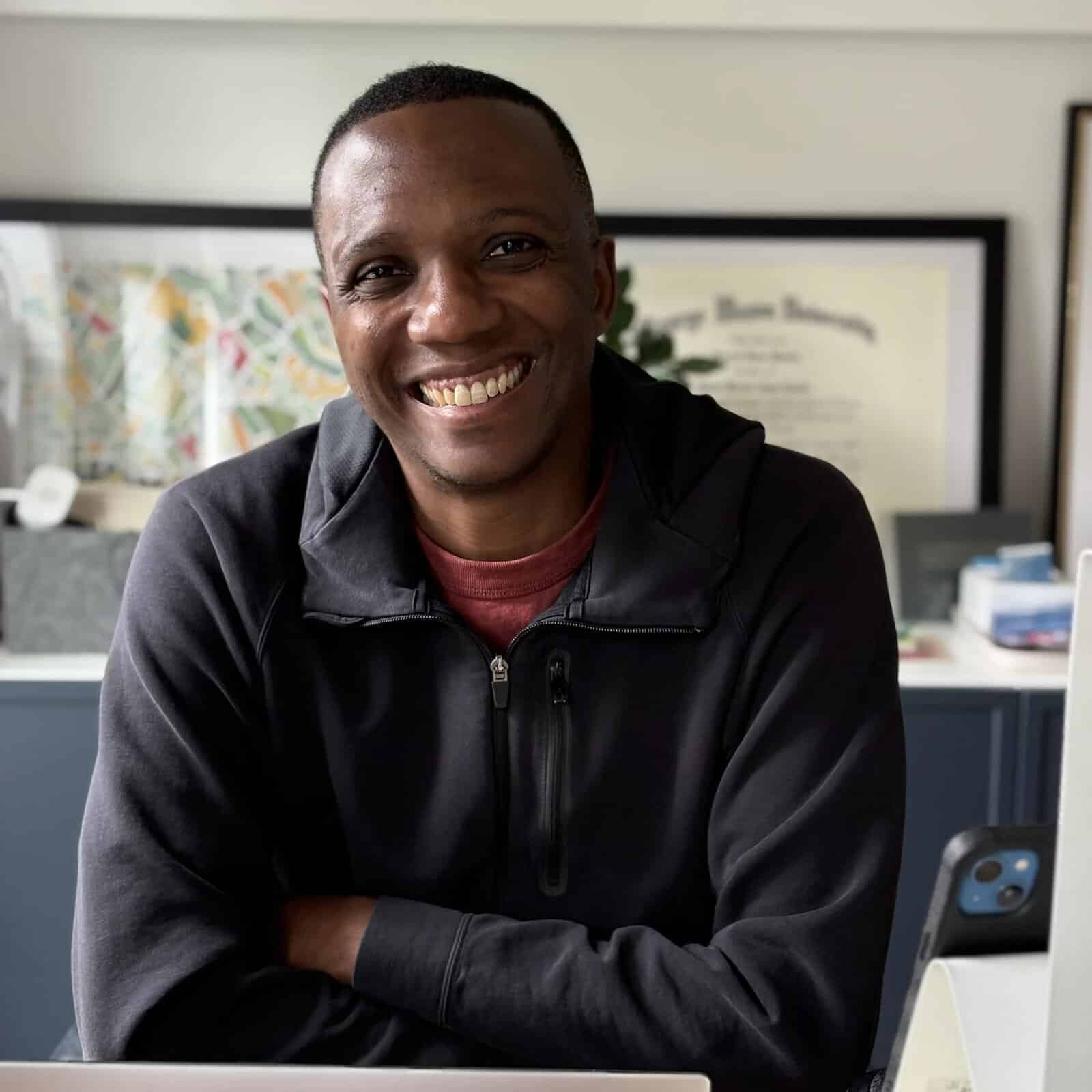
Sebastian Johnson has led convenings across the social sector — as leader of the Center for Lived Experience at Think of Us and VP of External Affairs at Arnold Ventures — bringing together strange bedfellows, building brands through curation, and creating space where real relationships and real action happen simultaneously. What I appreciate most about him is that his approach is both deeply strategic and genuinely human. He cares about what people leave the room feeling, not just what they decide.
Work with Sebastian